
Reimagining Compost “When I think of compost – I think of a smelly bin in my backyard…” – Our Customer We wanted to eliminate this association with compost, to create a new way to be green. For many people, composting brings back memories of unpleasant bins, strong smells, and inconvenient systems tucked away in the corners of gardens. While composting has always been important, it has rarely been designed to feel clean, intuitive, or visually refined. The Terra Niwa compost system is designed to transform organic waste into nutrient-rich soil through a controlled, clean, and technologically advanced process. Unlike traditional compost bins, which are often exposed and difficult to manage, our system prioritizes hygiene, efficiency, and seamless integration into modern environments. The Green Journey How It Works Organic material such as food scraps, plant trimmings, and biodegradable garden waste is placed into the system through a sealed hatch. The hatch is designed to prevent odors and insect entry while allowing easy and safe disposal. Fruit and vegetable scraps Coffee grounds and tea leaves Garden clippings and plant material Biodegradable organic waste Inside the machine, organic material is carefully processed through a monitored composting chamber. The system maintains optimal environmental conditions by regulating: Temperature – Accelerates natural microbial activity Moisture levels – Prevents rotting and odor formation Air circulation – Supports clean aerobic decomposition This controlled environment allows organic matter to break down efficiently while eliminating the unpleasant smells and insect activity commonly associated with traditional composting. Over time, Organic material is converted into stable, nutrient rich compost. The system includes an intergrated carbon and air filtration system – neautralizing all smells and harmful bacterias. Our design is hygenic and visually undesruptive, making it perfect for urban enviornments, or your home.
The Quiet Power of Compost
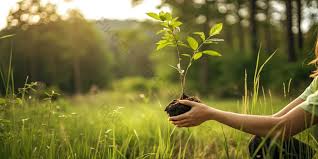
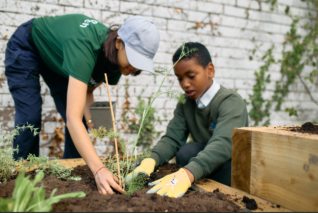
Bringing Green Back In nature, nothing is wasted. Leaves fall, organic matter decomposes, and nutrients return to the earth to nourish new growth. The global shift toward sustainability requires rethinking how we manage resources. Composting represents one of the simplest and most powerful circular systems available to individuals, businesses, and cities alike. With our signature high-tech composting machine, we recreate this natural process in urban environments, turning food scraps and plant waste into fertile, living soil. In modern cities, food travels long distances to reach our kitchens. However, once consumed, the remains often travel even farther — to landfills where organic material is treated as waste rather than a valuable resource. Composting challenges this broken cycle by returning nutrients to the soil, supporting healthier landscapes, and reconnecting communities with the natural rhythms that sustain them. Soil is often overlooked in landscape design, yet it is the foundation of every thriving garden. Compost improves soil by increasing its ability to retain water, support microbial life, and provide nutrients naturally. Gardens built on living soil require fewer artificial inputs and demonstrate stronger resilience against climate stress. Plants grown in compost-enriched soil develop deeper root systems and greater disease resistance, allowing landscapes to mature gracefully over time. At Terra Niwa, we believe gardens should start from the soil upward, rather than forcing plants into depleted environments. By redirecting our waste into composting systems, only together can we: Reduce landfill volume and environmental pollution Improve soil health in parks, gardens, and green infrastructure Lower dependence on chemical fertilizers Strengthen local food and plant ecosystems Our compost machines also reduce transportation emissions. When organic waste is processed locally, it shortens the distance between consumption and regeneration, releasing fewer carbon emissions while creating more resilient urban environments. Composting reminds us that sustainability is not achieved through grand gestures alone. It grows from consistent, mindful actions practiced daily. By choosing to compost, we take responsibility for what we consume and contribute to a system that values renewal over disposal.